Small Wall, Big Impact: Decorating Solutions for Awkward Spaces

Sara M • November 17, 2025

Ever looked at that awkward little wall in your home and thought, “What do I even do with this?” You’re not alone. Many people struggle to make use of small or narrow spaces that seem too insignificant to decorate. But here’s the secret: those tiny walls can actually transform the way a room feels. With the right decorating solutions, you can turn even the smallest wall into a beautiful focal point.

This guide will show you how to make a small wall work for you, offering smart, stylish, and practical ideas that add charm and purpose to those overlooked spots. Let’s explore how to make every inch count.

Why Small Walls Matter More Than You Think


A small wall might seem unimportant, but it actually affects how your room looks and feels. It can balance large furniture, highlight a design theme, or draw the eye to a specific area. Many interior designers say these walls are hidden gems waiting for attention.

When you decorate a small wall thoughtfully, it can do several things at once. It can add depth, showcase your style, and even make a room look larger. Small spaces force creativity, which often leads to more interesting results.

So before you ignore that corner again, remember that small walls offer big design opportunities.

Small Wall, Decorating Solutions That Work


Let’s talk about how to make the most out of limited space without overcrowding it. These decorating solutions for awkward spaces will help you add both style and function.

1. Use Floating Shelves to Add Character


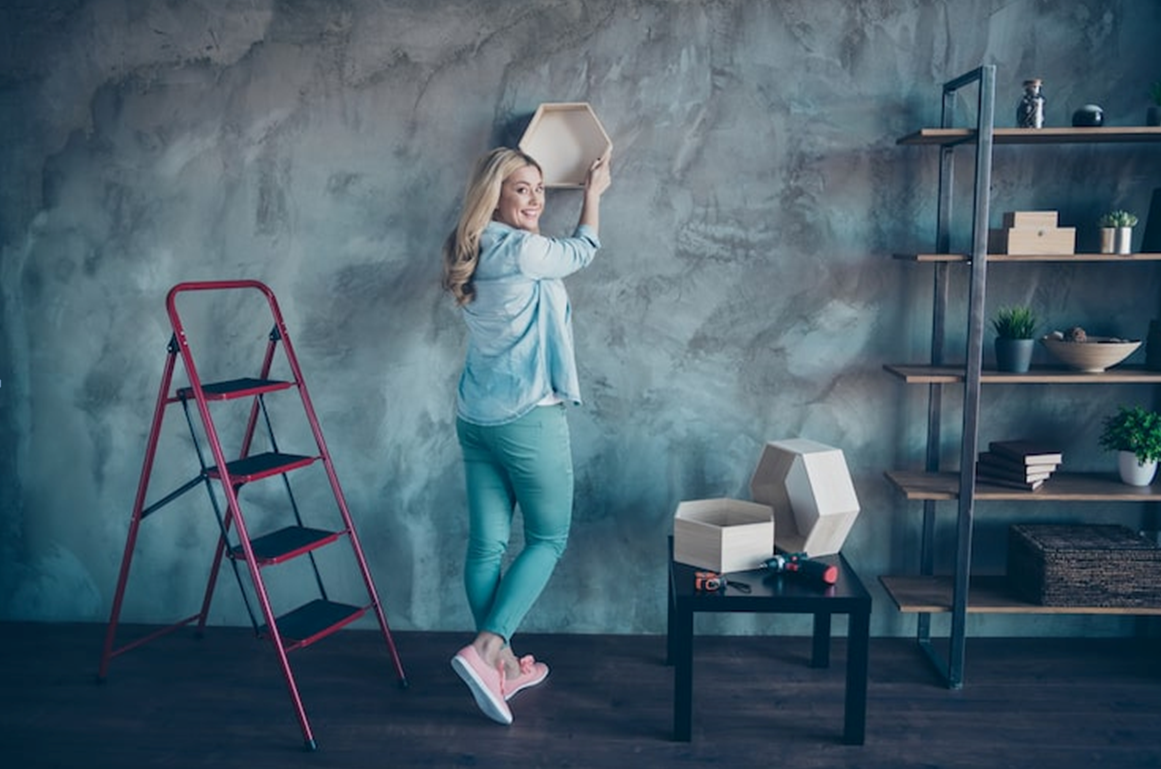
Floating shelves are one of the most versatile ways to dress up a small wall. They don’t take up floor space, yet they create room for décor, plants, or books.

Start by choosing shelves that match your room’s tone. Wood adds warmth, while white shelves keep things airy. You can mix decorative items like framed photos and small sculptures for visual interest.

Even a single shelf can change how that wall feels. Keep it uncluttered and let a few key items stand out.

2. Hang a Gallery of Small Artworks


If you love art but lack wall space, a gallery wall is your answer. Use several small frames rather than one large piece. This draws the eye up and gives depth to your space.

You can display family photos, travel shots, or art prints that tell a story. Mix frame shapes and sizes, but keep a consistent color theme for balance.

The result feels intentional, lively, and personal. It’s a great way to bring emotion and life to your home.

3. Add a Statement Mirror


Mirrors do more than reflect your image. They also reflect light and make rooms look bigger. A small wall becomes visually spacious when you hang a mirror with character.

Choose round or oval mirrors for softer lines, or go for geometric designs for a modern touch. You can also place a mirror opposite a window to enhance natural light.

This simple trick instantly transforms a dull corner into a bright, inviting area.

4. Create a Mini Vertical Garden


Plants breathe life into any space, and a small wall is a wonderful spot for greenery. A vertical garden doesn’t need much room, just a few mounted planters or small hanging pots.

You can grow herbs in the kitchen, succulents in the living room, or vines that cascade down beautifully. It’s practical and adds a refreshing natural touch to your décor.

Just make sure your plants get enough light and choose low-maintenance varieties for ease.

5. Make It Functional with Hooks or Racks


Sometimes, decorating isn’t just about looks, it’s about usefulness too. Hooks and wall racks can make small walls practical.

You can hang keys, hats, coats, or even your dog’s leash near the entryway. Choose stylish hooks in metal or wood to add visual appeal.

This solution helps declutter the area while making it look intentional and neat.

6. Try Removable Wallpaper or Wall Decals


If you rent or don’t want to commit to painting, removable wallpaper is a smart choice. It’s easy to apply and comes in endless designs.

Go for light colors to open up the space or bold patterns to create contrast. Wall decals are another easy way to bring personality to tight spots.

When you’re ready for a change, just peel them off and start fresh.

7. Turn It into a Reading Nook Backdrop


Got a small wall near a corner? Add a cozy chair, a small side table, and a lamp. Then decorate the wall with soft artwork or minimal shelves.

This setup turns an unused area into a peaceful nook. You can read, relax, or sip coffee there.

The wall becomes the background for a small but meaningful space in your home.

8. Use Lighting as Decoration


Light fixtures can double as art, especially in small spaces. A stylish wall sconce or string lights can create both function and mood.

Warm lighting makes a room feel inviting, while cool lighting adds a modern edge. Try positioning the light to highlight décor pieces or textured walls.

Lighting can truly elevate your design when space is limited.

9. Paint a Feature Section


Paint can make a big difference, even on a tiny wall. A bold color or accent pattern helps define the space and adds personality.

You don’t need to paint the whole wall. Try painting a vertical stripe or a half-wall effect for a modern look.

This adds visual height and gives your wall a stylish, intentional feel.

10. Display Floating Furniture


Ever seen wall-mounted desks or nightstands? They’re sleek, practical, and look amazing in small areas.

Install a small floating desk for a mini workstation, or mount a slim shelf near your bed for storage. These pieces save floor space and keep your room open.

Add a few well-chosen accessories, and you’ve created something both useful and stylish.

11. Add Texture with Woven Art or Panels


Texture adds depth to small spaces. You can hang woven wall art, macramé, or wooden panels to create dimension.

These materials break up flat surfaces and make the room feel layered. They also soften the look and make a small space feel cozy.

Keep it balanced by using one or two statement pieces instead of many small ones.

12. Make Use of Corners


Corners are often forgotten, but they can be design opportunities. A narrow corner shelf, plant stand, or small mirror can fill the gap nicely.

Use it for décor that adds color and character, like a vase or a photo frame. Small changes can make a big difference here.

It’s all about using what’s available instead of letting it sit empty.

13. Add a Chalkboard or Message Wall


Turn a small wall in the kitchen or hallway into a chalkboard. It’s both fun and functional.

Use it for grocery lists, quotes, or reminders. Families love it because it keeps things organized while adding a creative touch.

Pair it with a simple frame or a painted border to define the area.

14. Incorporate Air Duct Cleaning Awareness


While designing your space, it’s important to consider the air quality too. Decorating can stir up dust, especially near vents. That’s why air duct cleaning plays a role in home design.

Clean ducts improve airflow and keep your decorative areas dust-free. It’s a small maintenance step that protects both your décor and your health.

After all, even the most beautiful space feels better when the air is clean.

15. Blend Style and Storage


Small walls can become storage spaces without losing charm. Use wall-mounted baskets or slim cabinets that blend with your color scheme.

They hold small items like mail or magazines while looking stylish. Try woven baskets for warmth or sleek metal for a modern vibe.

This approach keeps clutter away and makes your small space work smarter.

16. Use Art to Define Mood


Art has a way of changing how you feel in a room. For small walls, choose art that matches your desired vibe.

A calming landscape adds peace to bedrooms, while bold abstract art energizes hallways. Don’t be overcrowded, just one or two framed prints can say a lot.

The key is to make your wall speak to your personality.

17. Hang a Clock with Character


A beautiful clock can be both decorative and practical. Choose a large statement clock for a minimal wall or a small modern one for tight spaces.

Clocks add movement and serve a purpose too. They bring rhythm to your space without overpowering it.

Match the style to your room’s theme for a cohesive look.

18. Install a Slim Picture Ledge


Picture ledges are narrow and elegant, perfect for displaying art, candles, or collectibles. You can easily rearrange them whenever you want a new look.

They work well in entryways, bedrooms, or behind sofas. You get display flexibility without needing to drill multiple holes.

It’s an effortless way to refresh your wall regularly.

Common Question: How Can I Make a Small Wall Look Bigger?


Many people ask this. The simplest way is by using mirrors, light colors, and vertical lines. Mirrors expand visual space, while light shades reflect light. Vertical stripes or tall artwork guide the eyes upward, creating a sense of height.

Avoid heavy frames or dark tones that crowd the wall. The trick is to keep things light, airy, and balanced.

19. Add a Pop of Personality


A small wall gives you freedom to experiment. Use it to display something unexpected, like a vintage map, a handmade wreath, or even hanging musical instruments.

It’s a way to express creativity without committing to a full-room theme. Each piece tells a story and sparks conversation.

This is where your style can shine in small but powerful ways.

20. Don’t Forget the Power of Simplicity


Sometimes, less truly is more. You don’t have to fill every inch. A single artwork, a mirror, or a plant can make the wall complete.

Too much decoration can make a space feel cramped. Instead, aim for a balanced look that feels intentional and calm.

Simplicity gives breathing room and allows your favorite elements to stand out.

Final Thoughts


Decorating small walls doesn’t have to be complicated. With these Small Wall Decorating Solutions, you can transform awkward spaces into beautiful highlights of your home. Every corner holds potential, whether it’s for art, plants, or smart storage.

The secret lies in seeing these walls not as limitations but as opportunities. Use creativity, pay attention to proportions, and keep things personal.


By Kevin McCoy February 9, 2026
For new residents who suddenly find themselves juggling leases, mortgages, and a seemingly endless to-do list, adjusting to a new town can feel like living inside a dozen open tabs. The relocation challenges are real: decision fatigue over every tiny purchase, awkward loneliness between boxes, and the emotional impact of moving that hits at random, usually when the coffee maker goes missing. Renters and homeowners alike run into the same settling-in struggles, because “home” isn’t just an address; it’s routines, comfort, and a sense of control. With a calmer, more practical mindset, settling in can start feeling doable. Quick Summary: Settle In Faster ● Start unpacking strategically by tackling essentials first, then setting up the rooms you use daily. ● Get to know the neighborhood by taking short walks and trying a few nearby go-to spots. ● Find essential services early, like doctors, pharmacies, grocery stores, and reliable home help. ● Join local community life through events, groups, and friendly hellos to build connections quickly. ● Create little routines and comforting touches at home so the new place feels like yours sooner. Build Your First-Week Routine: Unpack, Explore, Connect, and Set Up Services The first week in a new place can feel like living out of boxes with a side of “where did I put the scissors?” energy. A simple routine, unpack a little, explore a little, connect a little, and set up the basics, turns the chaos into a plan. Do a “priority unpack” in zones, not rooms: Pick three zones to make functional first: sleep (bed + sheets), hygiene (bathroom basics), and food (one clear counter + coffee/tea setup). Spend 30–60 minutes per zone, then stop, progress beats perfection. This matches the quick-reset idea: get the essentials working so your brain can relax and you can tackle the rest without frustration. Run a 15-minute “home efficiency sweep” each night: Keep one open bin for “put away later,” then do a quick loop: trash out, dishes in, boxes flattened, and tomorrow’s outfit set. You’ll wake up to a calmer space and avoid the slow creep of clutter that makes a new place feel temporary. If you’re planning any painting or small updates, set aside a single “project corner” so supplies don’t sprawl across the living room. Map a tiny neighborhood exploration plan (three stops, one hour): Choose three nearby places to visit in your first week: a grocery store, a park, and a casual takeout spot. The goal is repetition, go to at least one of them twice so it starts feeling familiar. Use a simple checklist mindset to explore neighborhood basics and you’ll quickly spot the shortcuts, parking patterns, and “oh, that’s where that road goes” connections. Use community centers and events as your social shortcut: Community centers, libraries, and recreation departments are basically cheat codes for meeting people without awkward networking pressure. Check the bulletin board or website and attend one low-stakes thing, open gym, a class, a volunteer day, a local talk. Give yourself a tiny mission like “learn one person’s name” or “ask for one restaurant recommendation.” Start networking in a new town with “micro-asks”: When you meet a neighbor, delivery driver, or fellow dog-walker, keep it simple: “We just moved in, who do you use for a handyman?” People love sharing local intel. Write down names immediately in a notes list labeled “House People,” even if you don’t need them yet. Line up local service providers before something breaks: In week one, schedule or research the boring-but-life-saving stuff: utilities confirmation, trash/recycling rules, internet setup, and one go-to for each category, plumber, electrician, HVAC, and a painter if you’re changing colors soon. Call or message two options, ask about typical response time, and save their numbers. Future-you will be very grateful the day the sink decides to audition for a waterfall feature. A week like this makes your home feel usable fast, and once the basics are running smoothly, it’s much easier to build small daily habits that make the whole town feel familiar. Habits That Make a New Place Feel Like Yours These habits turn “we just moved” into “we live here” by building comfort through repetition. They also help homeowners and renters pace small painting and update decisions without living in a never-ending project. The Two-Minute Morning Reset ● What it is: Make the bed, open blinds, and clear one surface. ● How often: Daily. ● Why it helps: A quick win makes the space feel intentional fast. One-Box, One-Decision Rule ● What it is: Empty one box, then choose to keep, donate, or store. ● How often: Daily or every other day. ● Why it helps: Fewer “maybe later” piles means the home feels settled sooner. Paint-and-Repair Notes Walk ● What it is: Do a five-minute lap and log scuffs, nail holes, and touch-ups. ● How often: Weekly. ● Why it helps: You plan upgrades calmly, not in a stressed scramble. One Hello a Day ● What it is: Greet a neighbor or staff member and ask one simple question. ● How often: Daily. ● Why it helps: Stanford says habits are easier when they’re small and repeatable. School-to-Home Recap ● What it is: Ask kids “one good thing, one hard thing,” then name tomorrow’s plan. ● How often: Weeknights. ● Why it helps: Predictable check-ins support kids’ confidence and routine. Pick one habit this week, then tweak it to fit your household. Quick Questions When You’re New and Unsettled Q: What are some practical strategies to efficiently unpack and organize my belongings without feeling overwhelmed? A: Pick one “comfort zone” first, like your bed and a clear kitchen counter, so the home works even mid-chaos. Unpack by category (linens, toiletries, tools) instead of by room, and keep a donation bag open for instant edits. If you rent, stash paint samples and spackle in a single bin so small touch-ups do not turn into a scavenger hunt Q: How can I start building a social network and meet new people in an unfamiliar town? A: Use low-pressure repeats: walk the same route, visit the same coffee spot, or show up to one weekly class so faces become familiar. Say one simple opener like “Any favorite hardware store around here?” and let locals give you the script. Consistency beats charisma. Q: What are effective ways to explore my new neighborhood to feel more at home quickly? A: Do themed mini-missions: “find a park bench,” “locate the closest pharmacy,” or “discover a takeout place for tired nights.” Snap photos of paint colors, porch styles, and landscaping you like for future updates without rushing decisions. Aim for 20 minutes, then stop while it still feels fun. Q: How can I manage the stress and uncertainty that often come with settling into a new community? A: Treat stress like a checklist item: schedule a 10-minute wind-down and keep it non-negotiable. Research on stress management interventions shows they can meaningfully reduce stress, so simple breathwork, journaling, or a quick stretch can genuinely help. Also, limit big renovation choices to one decision per week until your nervous system catches up. Q: What resources can I turn to if I want to start a small business or side project after moving to this new town? A: Start by inventorying your skills, your available hours, and what you want this season of life to feel like. The idea of Holistic Career Advancement can help you set a timeline that respects your home setup, family needs, and energy. If you want to shore up your management fundamentals as you build, a bachelor in business and management can provide a structured base in planning, operations, and leadership. Then pick one learning track for 30 days and build a tiny weekly routine before you scale. Settling In Faster by Building Comfort and Community Roots A new place can feel oddly “not mine” even after the boxes are gone, and that in-between stage can make everything feel louder than it needs to. The fix isn’t rushing, it’s a positive relocation mindset: make steady choices that support long-term adjustment while letting community belonging grow at its own pace. Do that, and creating home comfort becomes less of a project and more of a rhythm, making it easier to start thriving in a new town. Home happens when comfort and connection show up regularly. Choose one comfort upgrade today, paint a small wall, hang the familiar art, or set up the chair that says “this is my spot.” That small anchor builds the stability and resilience that make the next chapter feel genuinely livable.
By Kevin McCoy January 29, 2026
For first-time homeowners, longtime homeowners, and renters trying to keep a security deposit intact, the hardest part of home care isn’t the big projects, it’s the steady drip of home upkeep challenges that show up when life is busy. A tiny leak, a funky smell, a drafty room, or a mystery rattle can quietly turn into an expensive, space-stealing headache when it gets ignored. The fix is a simple mindset shift: treat annual home maintenance like a seasonal home inspection that spots little problems while they’re still little. Done consistently, this habit supports property preservation year after year. Quick Summary for Annual Home Upkeep ● Clean gutters twice a year to prevent water damage and keep drainage flowing smoothly. ● Schedule one HVAC checkup each year to boost efficiency and avoid surprise breakdowns. ● Book an annual fireplace inspection to reduce fire risks and keep cozy nights worry free. ● Plan routine pest control to stop small infestations before they become big headaches. ● Test smoke and carbon monoxide detectors regularly so your home stays alert and safe. Knock Out Key Home Checks in One Weekend This walkthrough helps you hit the biggest annual maintenance basics, from gutters to HVAC, without turning your weekend into a renovation reality show. Homeowners and renters alike can use it to prevent small issues from becoming expensive surprises while keeping your place safe and comfortable. Step 1: Clear gutters and check downspouts. Start by scooping out leaves and gunk, then flush each gutter run with a hose so you can spot slow drains fast. Confirm downspouts push water away from the foundation, not into your flower beds or basement wall. If you find standing water, you just found a future leak. Step 2: Do a quick chimney and roofline scan. From the ground, look for cracks, missing caps, leaning sections, or anything that looks “off” around the chimney. Inspect your roof and chimney by scanning for loose pieces and obvious damage before water and critters take advantage. If you smell strong soot indoors or see crumbling masonry, put a pro visit on your calendar. Step 3: Run a simple HVAC mini-checklist. Swap or clean the air filter, clear dust from supply vents, and make sure the outdoor unit has breathing room on all sides. Turn the system on for 10 minutes and listen for new rattles, squeals, or weak airflow, because weird noises rarely fix themselves. If the thermostat fights you or rooms heat and cool unevenly, note it for a tune-up. Step 4: Walk the perimeter for pests and overgrowth. Circle the home and look for tiny gaps, frayed screens, wood touching soil, or little dirt tunnels that scream “free entry.” Trim tree limbs and shrubs back from the siding and roof so critters have fewer bridges and moisture dries faster after rain. Inside, check under sinks and behind appliances for droppings, chewed edges, or musty corners. Step 5: Hunt for sneaky leaks in 15 minutes. Check toilets for silent running, peek under every sink for damp cabinet floors, and look for water stains on ceilings and around window frames. Snap a photo of your water meter, avoid using water for 30 minutes, then check again to spot a possible hidden leak. Catching it early matters because hidden maintenance costs can land higher than expected. Small Maintenance Habits That Pay Off All Year A solid weekend checklist is great, but habits are what keep your home from quietly backsliding. These quick rituals make annual maintenance feel automatic, whether you own the place or just want your rental to run smoothly. Two-Minute Water Watch ● What it is: Glance at sinks, toilet bases, and under-cabinet floors for moisture. ● How often: Weekly ● Why it helps: Catching drips early helps avoid the cost up to $4 later. Filter Flip Reminder ● What it is: Set a recurring calendar alert to check HVAC filters and airflow. ● How often: Monthly ● Why it helps: Cleaner airflow can reduce strain and keep rooms more comfortable. Seasonal Safety Sweep ● What it is: Test smoke and CO alarms and replace weak batteries. ● How often: Quarterly ● Why it helps: You build routine safety checks without needing a big annual panic. Ten-Minute Outside Loop ● What it is: Walk the exterior to spot peeling caulk, clogged drains, or new cracks. ● How often: Monthly ● Why it helps: It supports preventive maintenance by finding small issues before failure. Try one habit this week, then tweak the cadence to fit your household. Quick Q&A to Keep Maintenance Low-Stress Got a few “am I doing this right?” questions? Q: How can I create a manageable schedule to keep up with all the necessary annual home maintenance tasks without feeling overwhelmed? A: Pick 10 to 12 “anchor tasks” and assign one to each month, then batch the rest into two seasonal weekends. Keep it simple: a repeating calendar reminder plus a one-page checklist on the fridge. If you miss a month, just roll it forward, not into a guilt pile. Q: What are the most common signs that indicate it’s time to get my HVAC system checked during annual maintenance? A: Watch for uneven room temps, new rattles or buzzing, musty smells, or energy bills that jump without a weather change. If the system cycles on and off a lot, that’s another nudge. When in doubt, schedule a check before peak heating or cooling season. Q: How do I safely inspect and maintain gutters and downspouts to prevent water damage to my home? A: Choose a dry day, use a sturdy ladder on level ground, and never overreach. Clear debris with gloves, then run water to confirm it flows fast and exits away from the foundation. If you see sagging sections or loose fasteners, fix those before the next heavy rain. Q: What simple steps can I take to identify and seal drafts around windows and doors to improve energy efficiency? A: On a windy day, pass a damp hand around the frames and feel for cool air, or hold a tissue and see if it flutters. Replace worn weatherstripping, add a door sweep, and touch up gaps with removable caulk. Do one doorway at a time and you’ll notice the comfort upgrade immediately. Q: How can I organize and keep track of receipts and expenses related to my home maintenance tasks to simplify budgeting and tax preparation? A: Keep a “repairs log” note where you record the date, what you did, and the cost right after the job, even tiny purchases. Then snap receipts weekly and sort into simple folders by year and category; a five-minute routine beats a shoebox surprise. A budget target like budgeting between $0.90 and $1.30, per square foot each year can also keep your spending expectations realistic. Turn Annual Home Maintenance Into a Habit That Protects Value Home maintenance has a sneaky way of piling up until it’s loud, messy, and expensive, especially when life’s already full. The calmer approach is simple: treat yearly maintenance planning like a rhythm, not a rescue mission, and keep leaning on proactive home care and regular home upkeep instead of last-minute panic. Do that, and the house stays predictable, your records stay tidy, and long-term property value gets quietly protected in the background. Small upkeep beats big repairs, every time. Pick one job to do this week and set a reminder for next year before you forget. That’s how a home stays steady, safe, and ready for whatever the seasons throw at it.
By Janice Miller January 16, 2026
Homeowners everywhere are rethinking how their homes function now that workdays and downtime often happen under the same roof. The challenge is clear: a space that supports focus at 10 a.m. can feel intrusive at 8 p.m. With a few deliberate design and habit shifts, your home can support both productivity and genuine relaxation without feeling compromised. Key Takeaways ● Clear visual boundaries help your brain switch between work and rest. ● Small comfort cues matter as much as big furniture decisions. ● Systems and maintenance prevent disruptions that break focus. ● Intentional routines reinforce how each space is used. Starting With Zones, Not Square Footage You don’t need a spare room to create balance. What matters is defining zones with purpose. A desk facing a wall, a lamp used only during work hours, or a rug that anchors a seating area all signal different modes of use. These cues reduce mental friction and help you transition without physically leaving the room. How Soft Details Reset a Room’s Mood Hard edges dominate most work setups: screens, desks, chairs. Soft elements undo that feeling when it’s time to relax. Pillows, throws, and fabrics instantly shift a room’s tone and make it clear that work is done for the day. Tools like a custom pillow designer allow homeowners to create pieces that match their decor and personal style. This tool lets you upload photos, pick colors, and order finished pillows delivered straight to your home. That visual shift creates both comfort and a psychological boundary between tasks and downtime. Simple Habits That Make the Biggest Difference Consistency beats perfection when you’re sharing space between work and life: ● Power down your work equipment at the same time every day. ● Store work tools out of sight when the day ends. ● Change the lighting to warmer tones in the evening. ● Introduce one physical action, like fluffing pillows or closing a laptop. These small rituals tell your brain what comes next, even if the room stays the same. Practical Adjustments That Support Both Modes Before making changes, it helps to walk through your space with intention: ● Choose one area to be strictly work-focused. ● Adjust lighting so it supports concentration without glare. ● Add sound control through curtains or soft surfaces. ● Keep relaxation seating separate from your desk. ● Limit visual clutter near your primary work surface. Reliability Matters More Than You Think Nothing derails productivity faster than flickering lights or dead outlets. Investing in protection for your home’s electrical systems can keep workdays smooth and stress-free. A home electrical warranty can help homeowners manage unexpected repairs without scrambling for last-minute fixes. Coverage for interior electrical lines and components may include hard-wired wiring, switches, outlets, and other essentials that keep your workspace functional. Knowing those systems are covered allows you to stay focused instead of worrying about costly interruptions. A Quick Comparison of Shared-Space Choices Here’s a simple way to evaluate what belongs in a dual-use room. Element Type Better for work Better for Relaxation Bright task lighting Yes No Soft textiles No Yes Mobile furniture Yes Yes Visible storage Yes No Smart Questions Homeowners Ask Below are common questions homeowners ask when blending work and living spaces. Is it realistic to use one room for both work and relaxation? Yes, as long as the space has clear cues for each purpose. Visual and sensory signals help your brain switch modes. Without those, the room can feel confusing or stressful. Do I need expensive furniture to make this work? No, thoughtful placement matters more than price. Simple changes like lighting and storage can have a big impact. Comfort and function should guide your choices. How do I stop work from bleeding into my evenings? Create a daily shutdown routine that physically changes the room. Even small actions can mark the end of the workday. Over time, this habit reinforces boundaries . What if I don’t have space to store work items? Use closed containers or cabinets to hide work tools. Visual clutter keeps your mind in work mode. Concealment helps you relax faster. Is maintenance really part of productivity? Absolutely. Reliable systems prevent interruptions that break focus. Planning ahead reduces stress and lost time. Bringing It All Together A home that supports both work and relaxation doesn’t happen by accident. It’s built through small, intentional decisions that reinforce how each space is used. By combining clear zones, sensory cues, and reliable systems, homeowners can enjoy productive days and restorative evenings. When your home works with you instead of against you, both sides of life benefit.
Show More